Don’t miss our most recent updates
We are happy to share our knowledge with you. Read all about the latest developments, news, and blogs on relevant topics here.
Missing something or do you have a question we can help you with?

Most marine oil separators can run as a purifier or as a clarifier. It's the same machine, set up two different ways. Yet the two terms are constantly used interchangeably in the engine room, and choosing the wrong mode for the job either wastes oil or delivers contaminated product.

Alfa Laval has built high-speed centrifugal separators for the marine industry for over a century, and in that time the company has introduced a long line of separator generations, from simple manual-cleaning units to today's fully automated ALCAP systems. Many of those generations are still hard at work in engine rooms around the world, often side by side on the same vessel. This guide explains every major Alfa Laval separator generation, how they relate to each other, and what each one means for spare parts, service and maintenance.
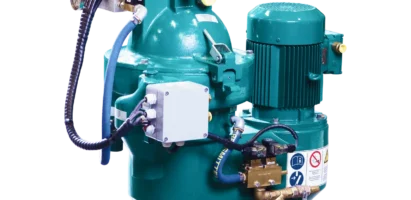
In the demanding world of marine operations, the efficiency and durability of machinery is essential. Separators are at the heart of many such systems. However, their continuous high-speed operation can lead to imbalances in their bowls. If left unaddressed it can severely impact performance and safety.
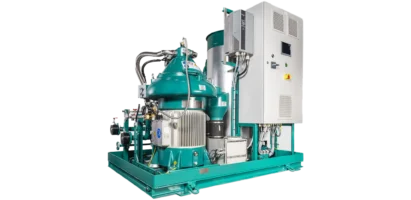
For servicing separators, you can rely on both Original Equipment Manufacturer (OEM) parts and aftermarket parts. In many cases, the quality of aftermarket parts is indistinguishable from the real thing. And if the quality is the same, does it matter that a part is not an OEM part?
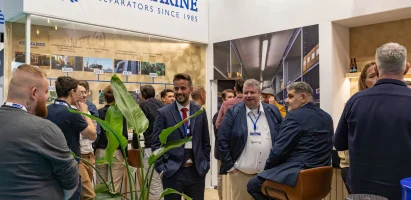
This year, KET Marine will be 40 years in operation. Since our founding in 1985, we have strived to provide you with the best quality spare parts for your GEA Westfalia and Alfa Laval separators. Add to that 40 years of engineering and repair experience and you can see why we are very proud to have reached this milestone.

Solenoid valves are among the most common electrically actuated components in marine and industrial systems, yet they are frequently misunderstood or overlooked until something fails. On a vessel, they control fuel oil supply to burners, engage hydraulic circuits, isolate lube oil systems, regulate control air in pneumatic networks, and serve as safety-critical trip devices in machinery protection.